

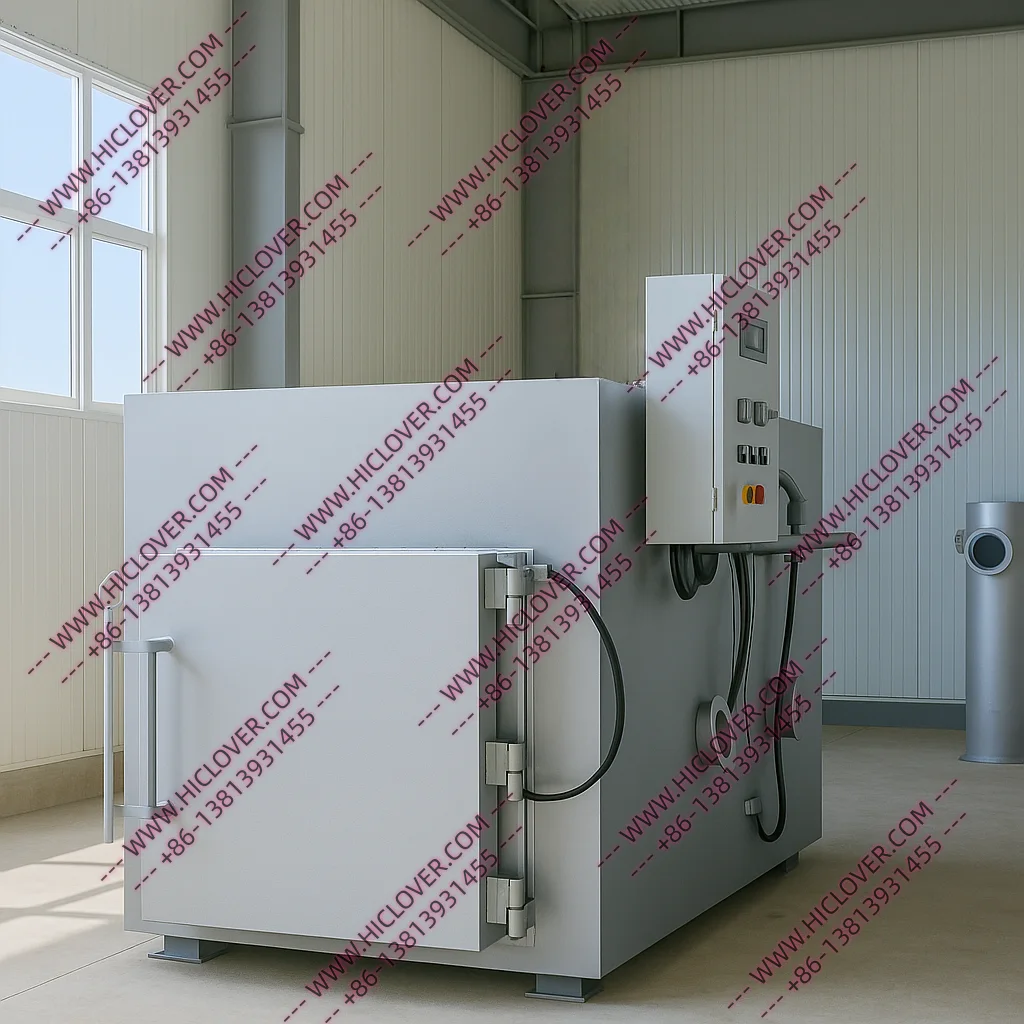
Economic Advantages of HICLOVER Waste Incinerators: A Market Analysis
In the realm of modern waste management, **HICLOVER waste incinerators** have carved a niche for themselves by adhering to rigorous industrial standards. Operating within a temperature range of 850 to 1200 degrees Celsius, these incinerators are designed to meet the engineering reliability demanded by various sectors. This article delves deep into the cost-effectiveness and return on investment associated with HICLOVER’s incineration technologies, focusing on their applications in small waste management solutions and mobile incinerators that address pressing environmental challenges.
Understanding the Basic Principles of Waste Incineration
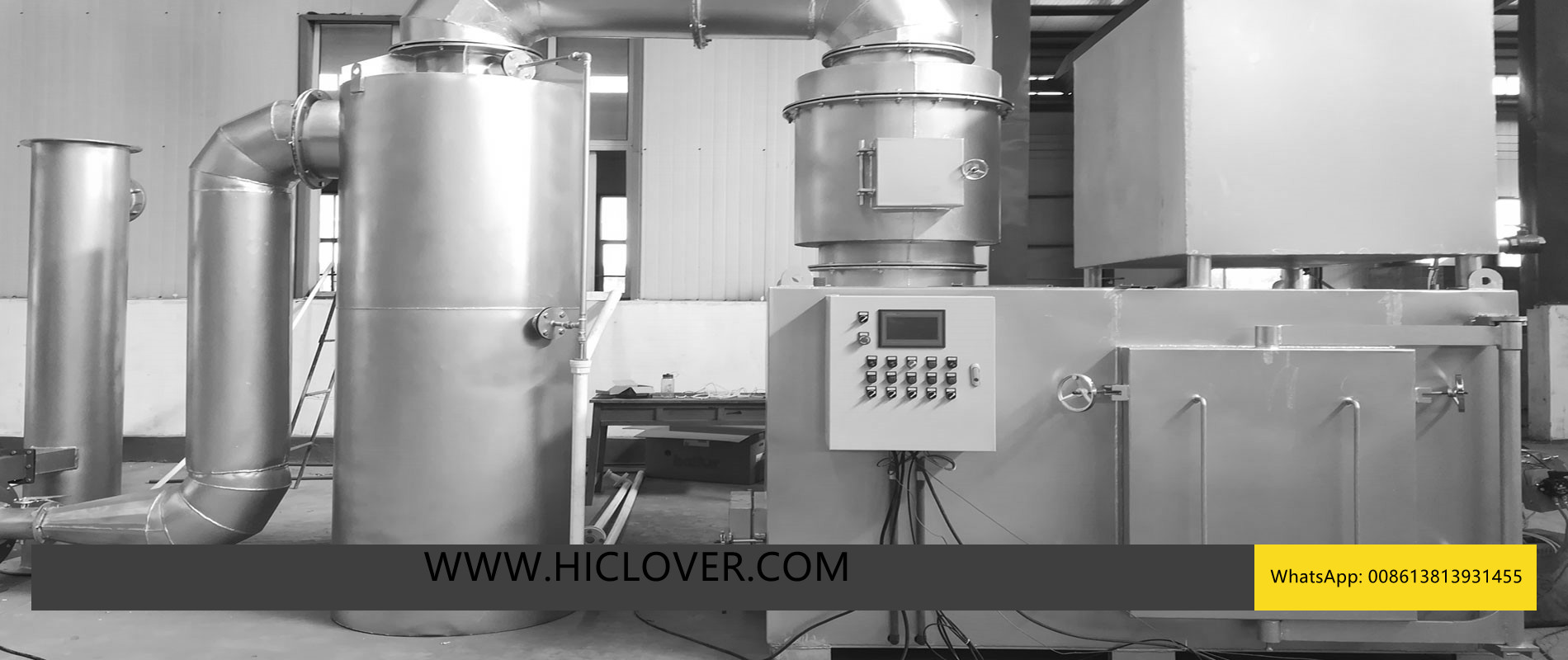
Waste incineration is a thermal treatment process that reduces the volume of waste materials by converting them into ash, flue gas, and heat. The fundamental principle involves the combustion of waste at high temperatures, which allows for the breakdown of organic materials. HICLOVER’s dual chamber design enhances combustion efficiency, ensuring that the incineration process reaches optimal temperatures necessary for complete destruction of hazardous materials. The first chamber handles the initial breakdown of waste, while the second chamber ensures the complete combustion of emitted gases, adhering to stringent emissions standards set by regulatory bodies like the WHO and the EU.
Moreover, the importance of high temperature retention cannot be overstated. It directly correlates with the efficacy of the waste treatment process, minimizing the potential for harmful emissions. Rigorous testing has shown that HICLOVER incinerators can operate reliably under extreme conditions, providing a robust solution for waste management in various contexts, including crisis zones and humanitarian camps, where infrastructure may be lacking.
Cost-Effectiveness and Return on Investment
The economic benefits of investing in HICLOVER waste incinerators are significant, particularly when considering their role in decentralized waste management. As municipalities and organizations face increasing pressure to comply with environmental regulations and reduce carbon emissions, incineration offers a viable solution that aligns with ESG compliance efforts.
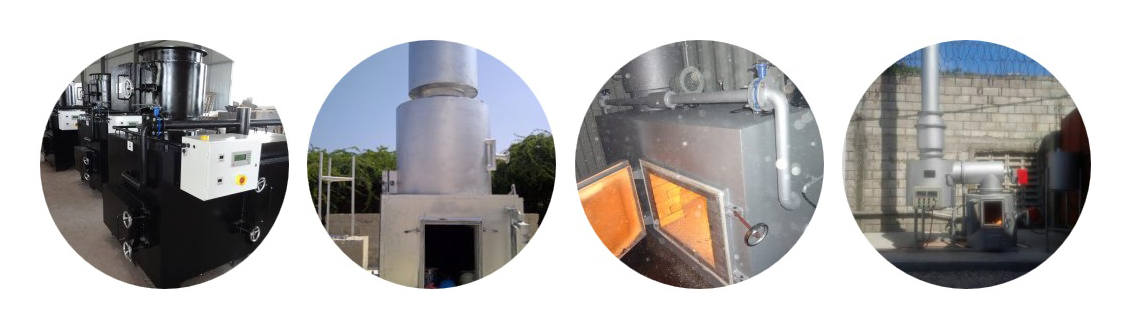
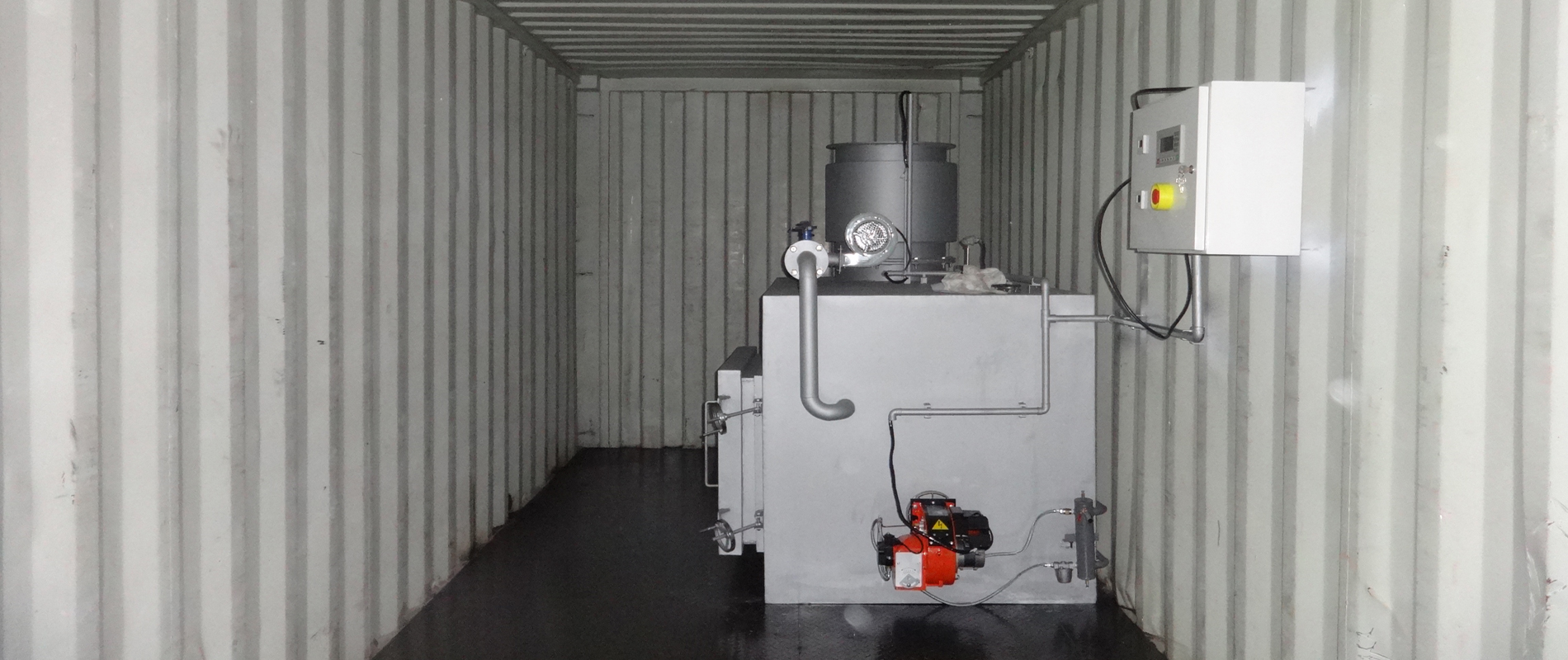
Fixed and mobile incinerators present different economic scenarios. Fixed systems tend to have lower operational costs in stable environments, while **mobile incinerators** offer flexibility and adaptability, making them ideal for remote operations such as mining or oil camps. These units can be deployed quickly, minimizing the time and resources spent on waste disposal. Their **plug-and-play design** allows for rapid setup and operation, further enhancing their attractiveness for temporary projects.
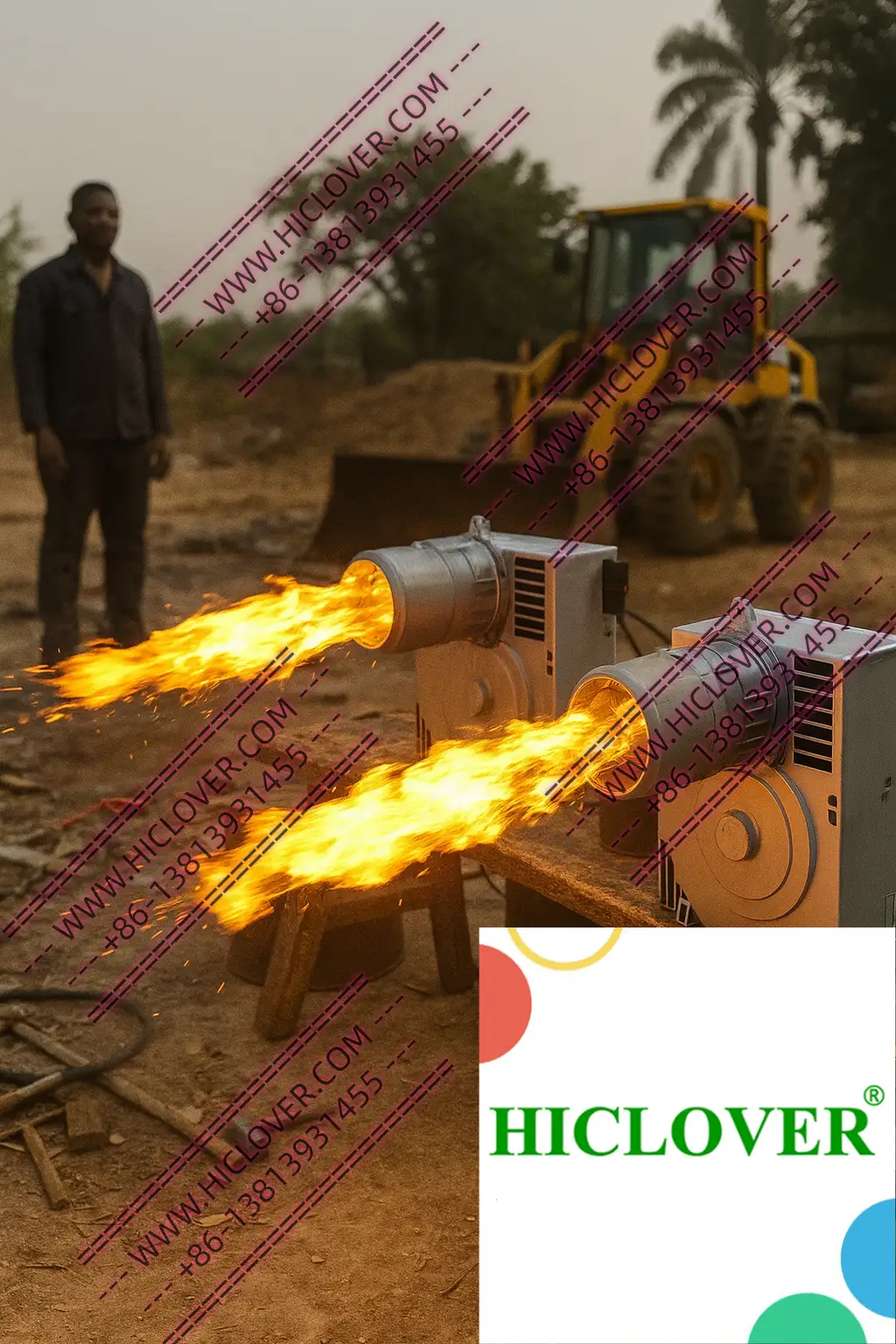
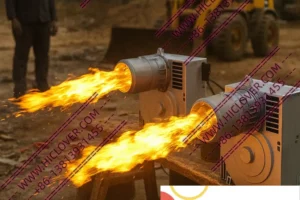
Additionally, HICLOVER’s incinerators offer a range of fuel options, including diesel, LPG, and natural gas. This flexibility not only enhances their usability across diverse environments but also allows users to select the most cost-effective fuel source available. Furthermore, the integration of **PLC automation** optimizes the operational efficiency of these systems, reducing labor costs and enhancing safety.
Comparison of Incinerator Types and Their Economic Impacts
The selection between fixed and containerized waste incinerators can significantly influence operational costs and overall economic feasibility. Fixed systems usually require substantial initial investments and infrastructure, which may not be practical for all organizations. In contrast, **containerized modular systems** offered by HICLOVER allow for scalability and customization, adapting to the size and type of waste generated.
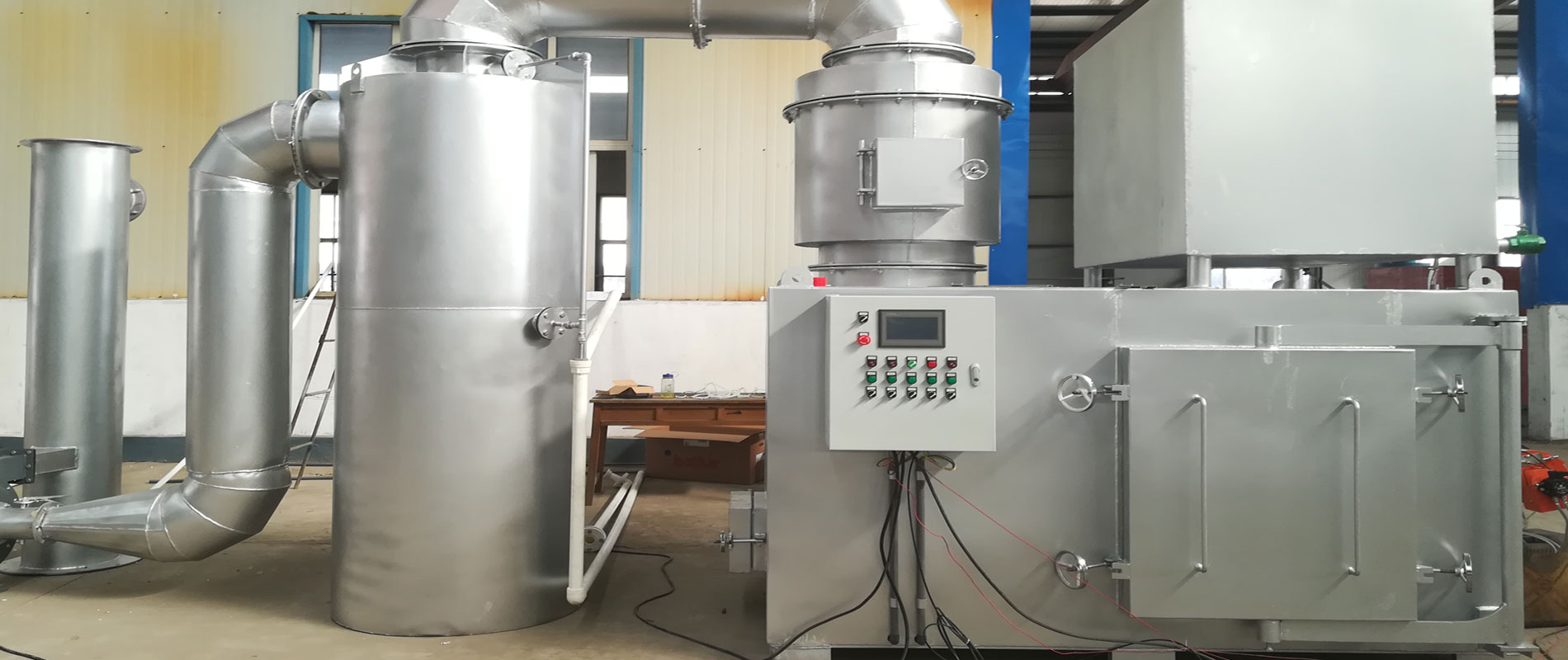
When considering regulatory compliance, incinerators equipped with advanced scrubber systems—either wet or dry—are essential. HICLOVER provides options for both, ensuring that operators can choose the most suitable technology for their specific needs. Dry scrubbers, for instance, are often favored in industrial applications due to their lower water consumption, while wet scrubbers may be necessary for facilities handling highly corrosive materials.
Long-Term Economic Benefits and Sustainability
The long-term economic benefits of HICLOVER waste incinerators also extend to energy recovery systems. By harnessing the heat generated during incineration, facilities can produce electricity or provide heating, significantly offsetting operational costs. This energy recovery mechanism aligns with global efforts toward sustainability and reducing reliance on fossil fuels.
Furthermore, HICLOVER’s commitment to a stable **supply chain** and direct factory manufacturing capabilities enhances the reliability of their products. Unlike trading companies, HICLOVER assures clients of quality and performance based on over 16 years of engineering experience in the waste management sector.
For organizations considering investment in waste incineration technologies, the economic implications are far-reaching. By reducing landfill dependency, lowering greenhouse gas emissions, and providing a sustainable waste management strategy, HICLOVER waste incinerators represent a forward-looking investment. The integration of advanced technology with robust engineering practices solidifies their position as leaders in the waste management industry.
For those interested in understanding more about the operational aspects and configurations of these systems, a comprehensive **incinerator operation manual** is available, detailing everything from installation to maintenance protocols. This ensures that users can maximize their investment and maintain compliance with global standards.
In summary, HICLOVER waste incinerators not only meet the immediate needs of waste disposal but do so in a manner that enhances economic viability and environmental sustainability. Their adaptability to various waste types, combined with economic incentives and advanced technology, positions them as a pivotal solution in the realm of waste management.