

HICLOVER Waste Incinerators: Engineering Principles and Global Applications
Understanding Waste Incineration Technology
Waste incineration is a controlled combustion process that reduces waste volume and can destroy harmful pathogens and chemicals. **Waste incinerators** play a crucial role in modern waste management, especially in areas with limited landfill space or where the waste contains hazardous materials. These systems operate by subjecting waste to high temperatures, typically ranging from 850°C to 1100°C (1562°F to 2012°F), under controlled conditions to ensure complete combustion. The design and operation of **waste incinerators** are governed by stringent industrial standards and regulations, including those set by the World Health Organization (WHO) and the European Union (EU), particularly concerning emissions and residue management. Achieving optimal **medical incinerator operating temperature standards** is critical for effective sterilization and minimizing environmental impact.
The core of effective incineration lies in the combustion process itself. Most modern **waste incinerators** utilize a dual-chamber design. The primary chamber is where the initial combustion of the waste takes place under a controlled air environment. This incomplete combustion process generates volatile gases and solid residues. These gases then flow into a secondary combustion chamber, where they are subjected to higher temperatures and sufficient oxygen to ensure complete oxidation. This dual-chamber system is crucial for minimizing emissions of harmful pollutants like dioxins and furans. The importance of high-temperature retention in the secondary chamber cannot be overstated; it ensures that all harmful organic compounds are broken down into less harmful substances such as carbon dioxide and water vapor.
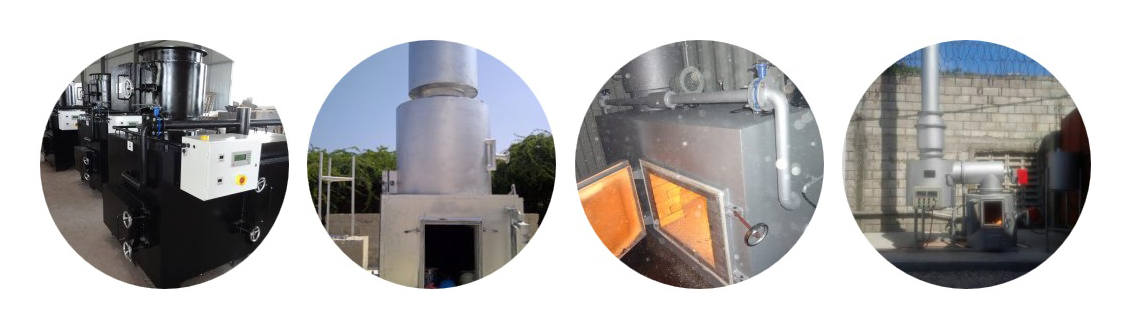
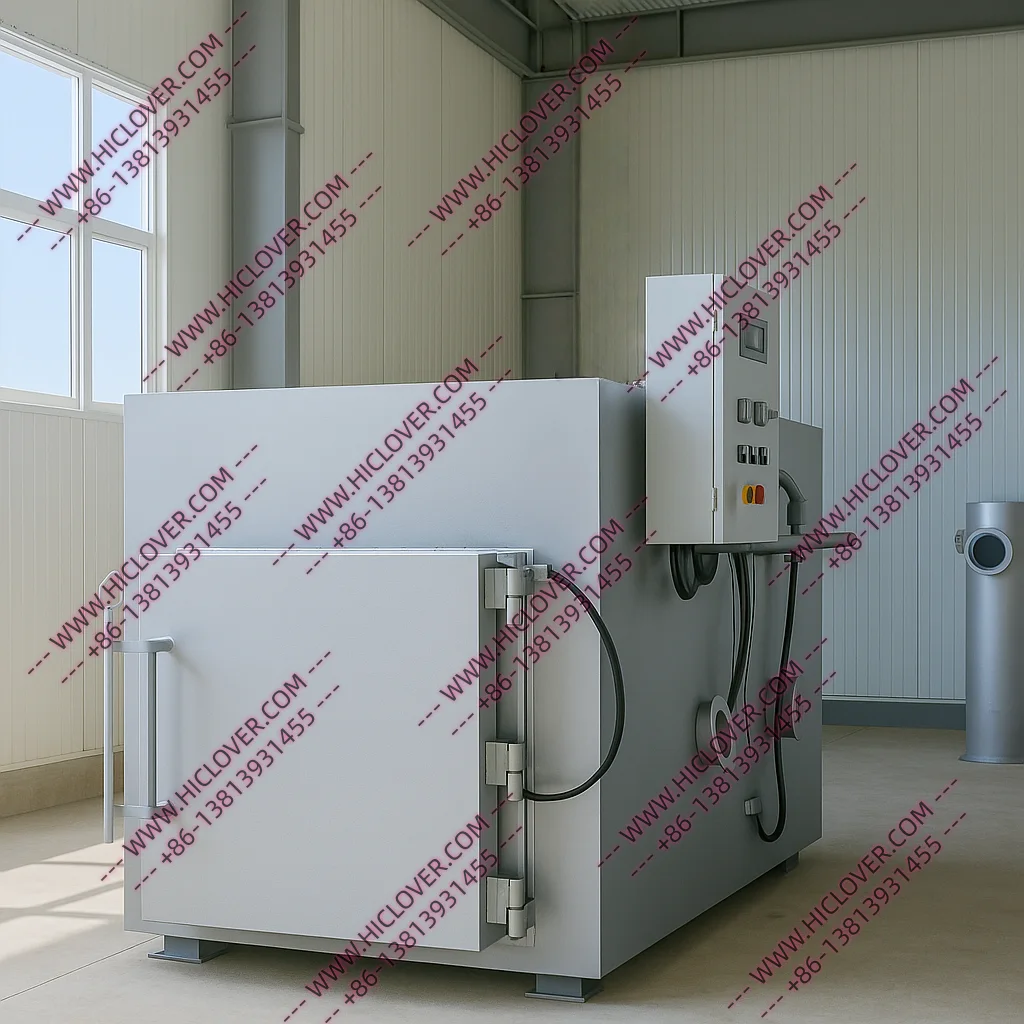
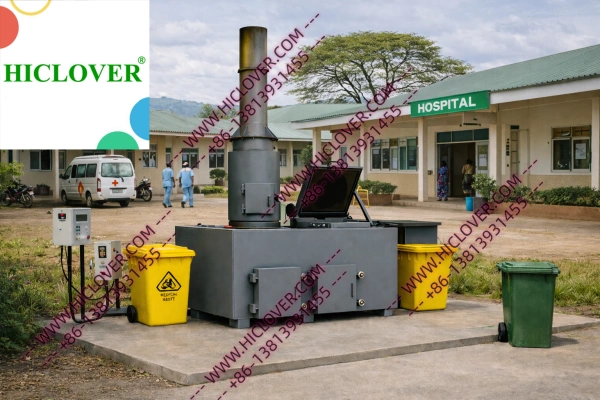
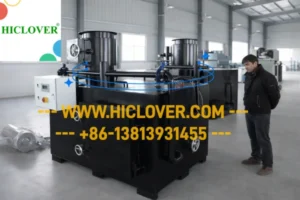
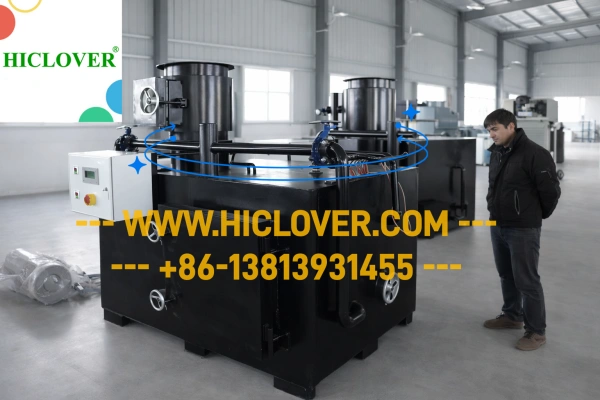
HICLOVER specializes in designing and manufacturing **waste incinerators** that meet these stringent requirements. Their systems incorporate advanced engineering principles to ensure efficient and environmentally responsible waste disposal. With over 16 years of experience, HICLOVER offers a range of incinerator solutions, including containerized mobile units, top-loading incinerators, and fully automatic PLC-controlled systems.
Combustion Principles and Temperature Standards
The efficiency of a **waste incinerator** is directly related to its combustion temperature and the residence time of the gases within the chambers. Higher temperatures promote more complete combustion, reducing the amount of unburned hydrocarbons and other pollutants released into the atmosphere. The residence time, which is the duration the gases spend at the high temperature within the secondary chamber, is also crucial. A longer residence time ensures that even the most persistent organic compounds are fully oxidized.
Regulatory bodies often specify minimum temperature and residence time requirements for **waste incinerators**. For example, many regulations mandate a minimum temperature of 850°C in the secondary chamber with a residence time of at least 2 seconds for general waste. For medical waste, the requirements are often stricter, with temperatures exceeding 1100°C and longer residence times to ensure the destruction of infectious agents. These standards are in place to protect public health and the environment. You can find more details by performing a search for **medical incinerator secondary chamber temperature standard**.
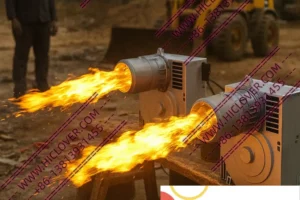
HICLOVER’s **waste incinerators** are designed to meet or exceed these regulatory requirements. Their systems utilize advanced burner technology and precise temperature control systems to maintain optimal combustion conditions. The use of high-quality refractory materials in the combustion chambers ensures that the incinerators can withstand the extreme temperatures and corrosive environments associated with waste incineration. HICLOVER’s engineering team has extensive experience in designing **waste incinerators** for a variety of waste streams, including medical waste, animal waste, and general solid waste. This experience allows them to tailor their designs to meet the specific needs of their clients.
Regulatory Frameworks and Emission Control
The operation of **waste incinerators** is heavily regulated to minimize their environmental impact. Regulations typically address air emissions, ash disposal, and water discharge. Air emission standards often limit the release of pollutants such as particulate matter, sulfur dioxide, nitrogen oxides, carbon monoxide, dioxins, and furans. Ash disposal regulations govern the handling and disposal of the ash generated during the incineration process. Water discharge regulations address the treatment and discharge of wastewater generated by wet scrubber systems.
To meet these regulations, **waste incinerators** often incorporate advanced emission control technologies. These technologies can include:
* **Dry Scrubbers:** These systems use dry reagents, such as lime or activated carbon, to absorb pollutants from the exhaust gas. * **Wet Scrubbers:** These systems use liquid solutions to remove pollutants from the exhaust gas. Wet scrubbers are particularly effective at removing acid gases and particulate matter. * **Fabric Filters (Baghouses):** These systems use fabric filters to remove particulate matter from the exhaust gas. * **Selective Catalytic Reduction (SCR):** This technology uses a catalyst to reduce nitrogen oxides (NOx) emissions.
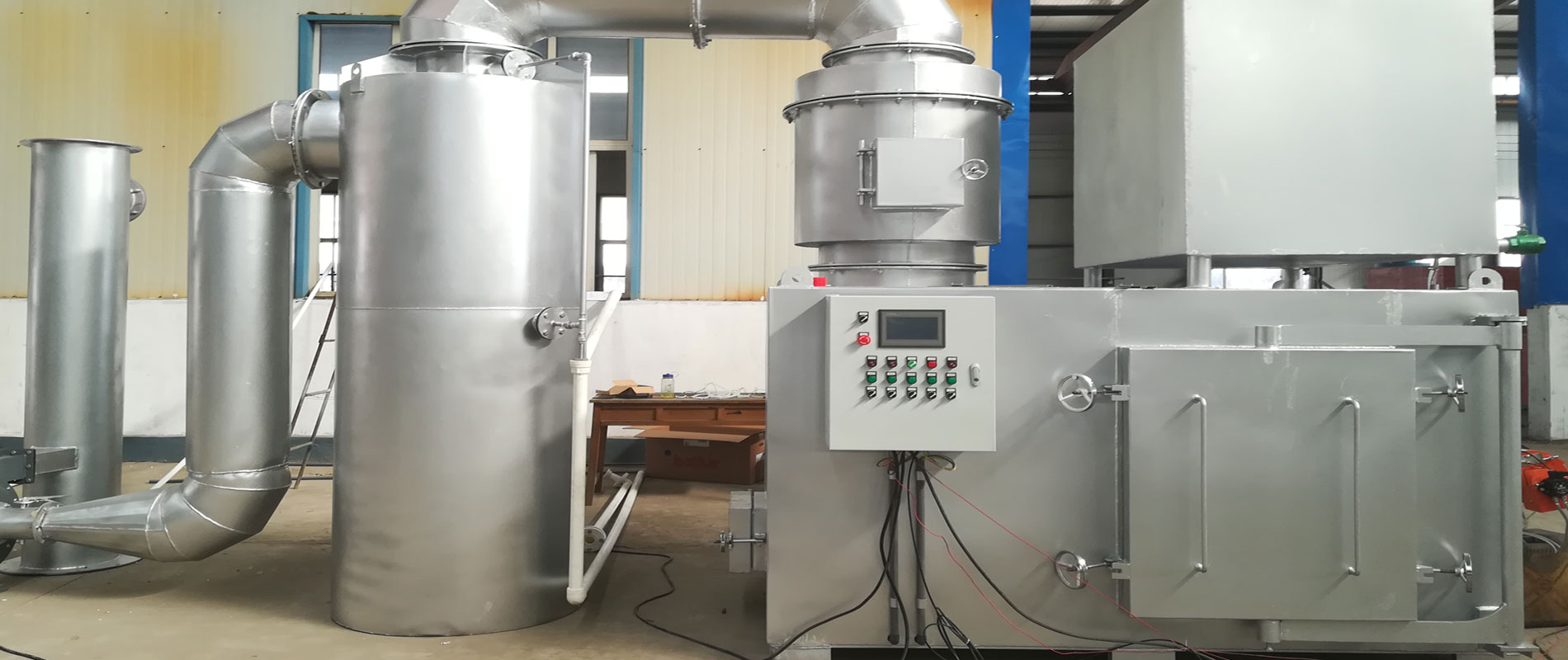
HICLOVER offers **waste incinerators** with optional wet or dry scrubbers to ensure compliance with local environmental regulations. Their engineering team can help clients select the appropriate emission control technology for their specific needs. HICLOVER’s commitment to environmental responsibility is reflected in the design of their **waste incinerators**, which are engineered to minimize emissions and maximize energy efficiency.
Types of Waste Incinerators and Their Applications
**Waste incinerators** come in various designs, each suited for specific applications and waste types. The two primary categories are fixed (stationary) and containerized (mobile) units. Understanding the nuances of each type is crucial for selecting the right system. HICLOVER provides both fixed and containerized solutions.
Fixed vs. Containerized Incinerators
Fixed **waste incinerators** are typically larger, permanent installations designed for high-volume waste processing. These are commonly found in municipal solid waste treatment plants, large hospitals, and industrial facilities. They offer the advantage of handling significant waste loads continuously and can be integrated with energy recovery systems. However, they require substantial infrastructure, including dedicated buildings, extensive emission control systems, and skilled operators.
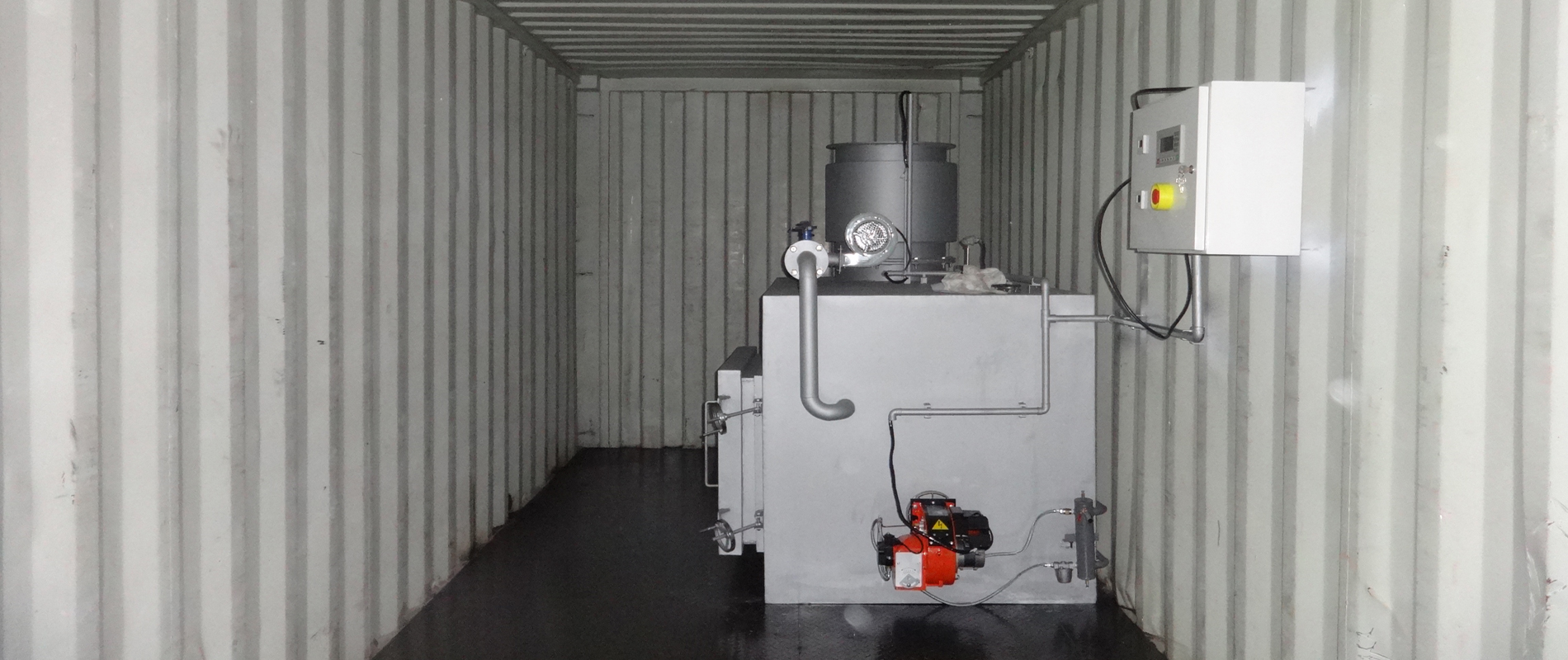
Containerized **waste incinerators**, on the other hand, are pre-fabricated units housed within shipping containers. These systems are designed for mobility and ease of deployment, making them ideal for remote locations, temporary facilities, or emergency situations. They offer a plug-and-play solution, requiring minimal on-site construction and can be easily relocated as needed. Containerized units often feature a slightly smaller chamber volume than fixed incinerators, but they maintain the same high combustion efficiency and emission control standards. HICLOVER’s containerized **waste incinerators** are particularly well-suited for decentralized waste management strategies, offering a flexible and cost-effective solution for various applications.
The choice between fixed and containerized **waste incinerators** depends on factors such as the volume of waste, the location of the facility, and the budget available. For facilities with a constant high volume of waste and ample space, fixed incinerators may be the best option. However, for facilities with lower volumes of waste, limited space, or the need for mobility, containerized incinerators may be a more suitable choice.
PLC vs. Manual Control Systems
Modern **waste incinerators** can be equipped with either Programmable Logic Controller (PLC) based automation systems or manual control systems. PLC systems offer advanced control and monitoring capabilities, enhancing efficiency and safety. Manual control systems, while simpler, require more operator intervention.
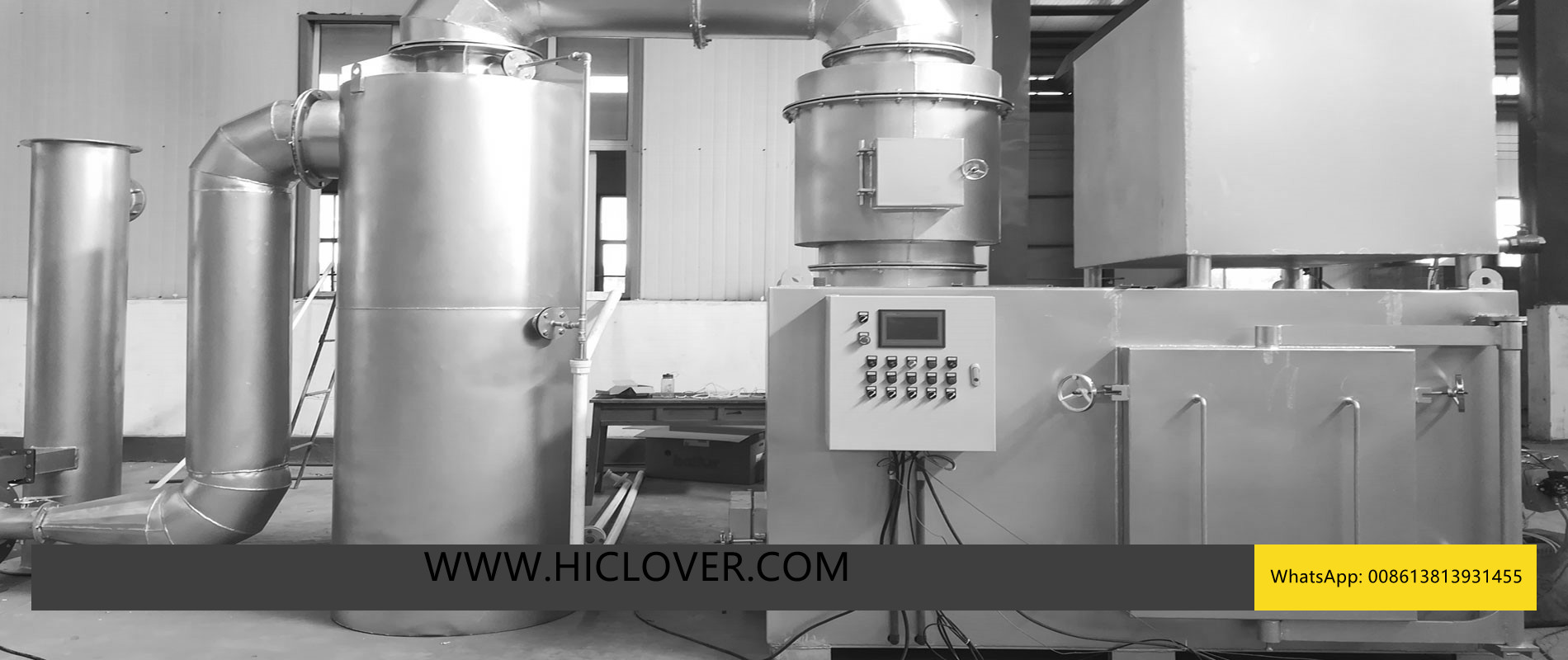
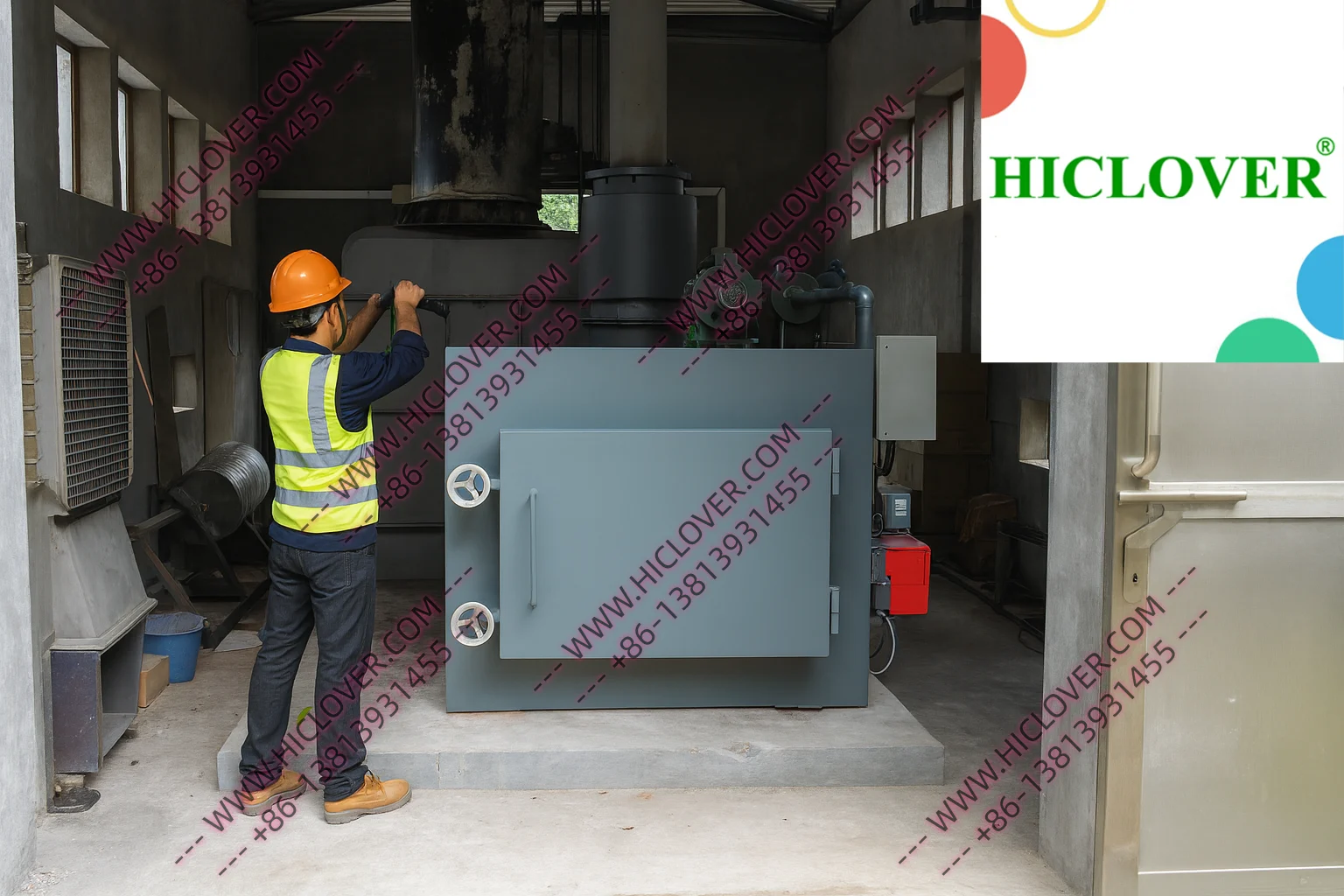
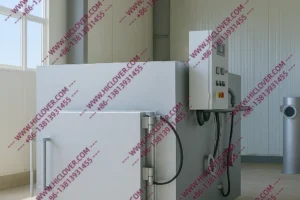
PLC-controlled **automatic waste incinerator** systems automate key processes such as waste feeding, temperature control, and emission monitoring. This reduces the need for manual adjustments and minimizes the risk of human error. PLC systems also provide real-time data logging and remote monitoring capabilities, allowing operators to track performance and identify potential issues promptly. Furthermore, PLC systems can be integrated with other facility systems, such as energy recovery systems, to optimize overall performance. HICLOVER’s PLC controlled systems can be monitored remotely, increasing efficiency.
Manual control systems rely on operators to manually adjust parameters such as air flow, fuel flow, and temperature settings. While these systems can be less expensive to install, they require skilled operators and can be more prone to errors. Manual systems may be suitable for smaller **waste incinerators** with relatively simple designs and low waste volumes.
The decision to use a PLC or manual control system depends on the complexity of the **waste incinerator**, the level of automation required, and the budget available. For larger, more complex incinerators with high waste volumes, PLC systems are generally the preferred choice. However, for smaller, simpler incinerators with lower waste volumes, manual control systems may be a more cost-effective option.
Wet vs. Dry Scrubbers
As previously mentioned, **waste incinerators** require effective emission control systems to minimize their environmental impact. Wet and dry scrubbers are two common types of emission control systems used in **waste incinerators**.
Wet scrubbers use liquid solutions, typically water or alkaline solutions, to remove pollutants from the exhaust gas. These scrubbers are particularly effective at removing acid gases, such as sulfur dioxide and hydrochloric acid, as well as particulate matter. Wet scrubbers operate by passing the exhaust gas through a spray of liquid, which absorbs the pollutants. The contaminated liquid is then treated to remove the pollutants before being discharged or recycled.
Dry scrubbers, on the other hand, use dry reagents, such as lime or activated carbon, to absorb pollutants from the exhaust gas. These scrubbers are particularly effective at removing acid gases and mercury. Dry scrubbers operate by injecting the dry reagent into the exhaust gas stream, where it reacts with the pollutants to form solid compounds. These solid compounds are then collected by a fabric filter or other particulate control device.
The choice between wet and dry scrubbers depends on the types of pollutants present in the exhaust gas, the desired level of emission control, and the budget available. Wet scrubbers are generally more effective at removing a wider range of pollutants, but they can be more expensive to install and operate. Dry scrubbers are less expensive but may not be as effective at removing certain pollutants.
HICLOVER: Engineering Expertise and Global Solutions
HICLOVER distinguishes itself through a commitment to engineering excellence and a focus on providing customized **waste incinerator** solutions to meet the diverse needs of its global clientele.
Factory-Direct Supply and Customization
Unlike trading companies, HICLOVER operates as a factory-direct supplier, ensuring complete control over the manufacturing process and quality assurance. This direct approach allows for greater flexibility in customization and faster response times to client requests. HICLOVER can tailor chamber volumes, fuel types (diesel, LPG, natural gas), and emission control systems to meet specific requirements. Their engineering experience allows them to optimize designs for different waste streams and environmental regulations.
Whether it’s a **Cameroon laboratory incinerator**, a **Senegal animal incinerator china**, or a **Kenya hospital incinerator manufacturer** is needed, HICLOVER can deliver a solution that aligns with the client’s objectives. This includes designing systems for **Niger medical waste incinerator** applications and ensuring compliance with standards in regions like **Guinea-Bissau medical incinerators in china** and **Angola waste incinerator manufacturer china**.
Mobile Plug-and-Play Design for Remote Applications
HICLOVER’s containerized **waste incinerators** are designed for remote site suitability, offering a mobile plug-and-play design that simplifies installation and operation in challenging environments. This is particularly beneficial for remote mining or oil camps, crisis zones, and humanitarian camps where infrastructure is limited. The **automatic waste incinerator machine** is engineered for ease of use and minimal maintenance, ensuring reliable performance in demanding conditions. The containerized modular systems are designed for easy transportation and deployment, making them ideal for situations where rapid response is critical. This is especially pertinent in light of the increasing need for global infectious disease preparedness and decentralized waste management solutions.
ESG Compliance and Supply Chain Resilience
In today’s world, Environmental, Social, and Governance (ESG) compliance is paramount. HICLOVER’s **waste incinerators** are designed to meet stringent environmental standards, helping organizations reduce their carbon footprint and minimize their impact on the environment. Their stable supply chain ensures that clients receive timely delivery of high-quality components, even in the face of global supply chain disruptions. HICLOVER understands the importance of supply chain resilience and has implemented measures to mitigate risks and ensure continuity of supply. By choosing HICLOVER, clients can demonstrate their commitment to ESG principles and build a more sustainable future.
HICLOVER’s commitment to innovation and sustainability extends beyond its product offerings. The company is actively involved in research and development efforts to improve the efficiency and environmental performance of its **waste incinerators**. This includes exploring the use of alternative fuels, improving emission control technologies, and developing energy recovery systems. HICLOVER’s vision is to be a leader in the waste management industry, providing sustainable solutions that protect the environment and improve public health. You can learn more about HICLOVER and their solutions at [https://www.hiclover.com/](www.hiclover.com/).
In conclusion, HICLOVER’s engineering expertise, factory-direct supply, and commitment to sustainability make them a trusted partner for organizations seeking reliable and environmentally responsible **waste incinerator** solutions.